
Investing Guides
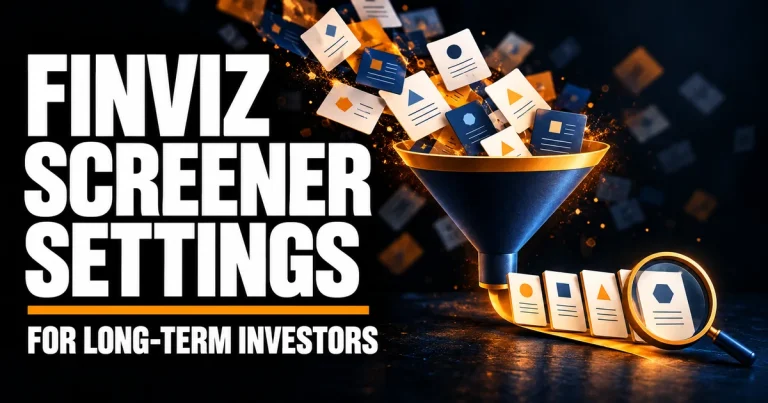
Finviz Screener Settings for Long-Term Investors: A Practical Starting Point
Which Finviz filters are useful for long-term investors? For a simple long-term research list, start with four illustrative Finviz filters: market capitalization above $2 billion,…

Webull vs Robinhood: Costs, Practice Tools and Everyday Investing
Compare Webull and Robinhood on trading tools, accounts, investments, option costs, and the practical limits behind commission-free trading.

Robinhood vs Schwab: Choose for the Portfolio You Actually Want
Compare Robinhood and Charles Schwab on account choices, investments, trading tools, fees, and service before choosing a brokerage.

Full-Service vs Discount Brokerage: What Are You Paying For?
Understand full-service versus discount brokers, advice versus execution, account fees, conflicts, and questions to ask before choosing.

XRP to $10,000? Show Me the Math, Not Another Rocket Emoji.
XRP has real uses. Its $10,000 forecasts still need evidence. A skeptical look at payment demand, supply math, stablecoin rules and banking adoption.
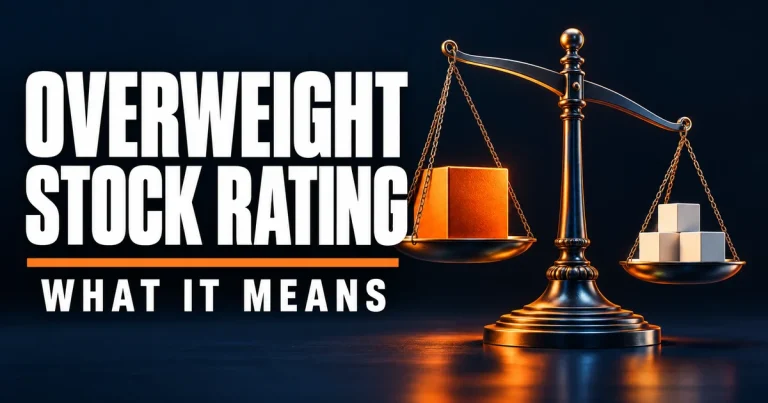
What Does an Overweight Stock Rating Mean? Two Meanings, One Confusing Word
Learn what an overweight stock rating means, how analyst definitions differ, and how an overweight portfolio position changes concentration risk.

How to Check Stock Dilution in SEC Filings
How do you check whether a stock is being diluted? To check stock dilution, start with shares actually outstanding, reconcile what changed, then read the…

Reinvest Dividends or Take Cash? How to Decide
Should you reinvest dividends or take the cash? Reinvesting dividends can help you accumulate shares when you're investing for a longer-term goal. Taking cash can…

Can You Sell on the Ex-Dividend Date and Still Receive the Dividend?
Can you sell on the ex-dividend date and still get paid? Yes. For a regular U.S. stock cash dividend, you can generally sell on the…

Sector Investing: The 11 Sectors and Your Exposure
Learn the 11 market sectors, calculate exposure across funds and stocks, and distinguish portfolio-wide weights from equity-only concentration.