

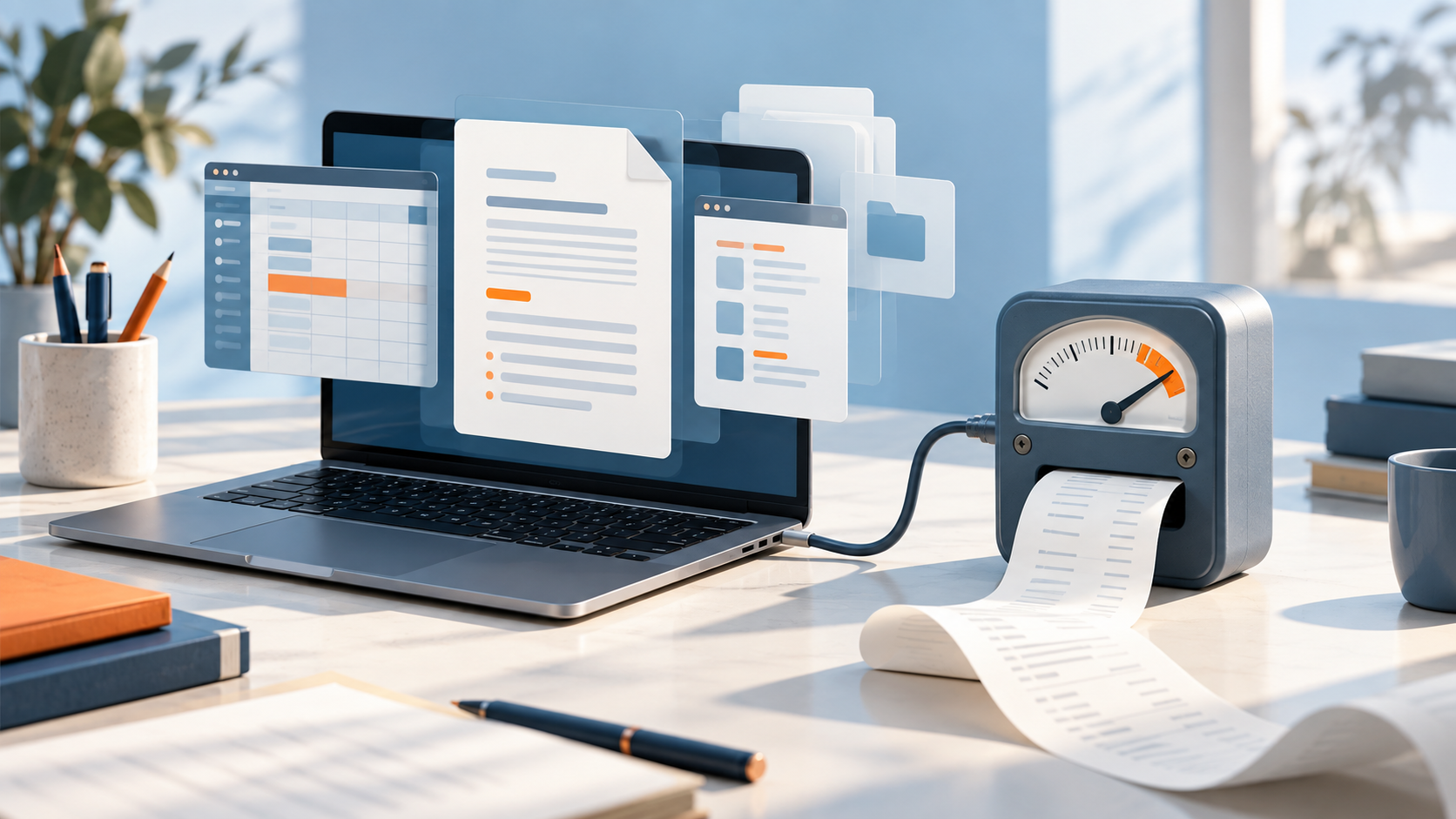
Microsoft wants your AI assistant to keep working after you’ve gone home. Somewhere in accounting, a person would like to know whether it can also remember to clock out.
On Friday, September 25, Microsoft introduced a revamped Copilot with Home, Code and Autopilot. The tools combine familiar office work with software creation and a persistent AI agent. For investors, the less glamorous part of the announcement deserves attention: how customers pay for all that activity.
In its official announcement, Microsoft separates everyday subscription access from usage-based billing for capabilities including Cowork, Code and Autopilot. That gives the business a way to charge for more intensive work. It also gives customers a reason to check whether the work was worth the bill.
What Microsoft announced
Home brings Chat and Cowork together, with Word, Excel and PowerPoint inside the experience. Code lets users describe software they want built. Autopilot is designed to keep handling work in the cloud without waiting for a fresh prompt each time.
Availability is staged, including rollout through Microsoft’s Frontier program and an expanded private preview for Autopilot at month-end. Customers will get access on different schedules. Reuters also reported the launch Friday morning.
Microsoft describes spending controls and ways for users to see their credit usage, balances and history. Those are sensible additions. If you’re buying software by usage, knowing how much it’s using becomes part of the job.
The savings calculation needs a second line
I’m interested in tools that remove tedious work. I’m less impressed by a productivity calculation that stops the instant the machine produces something.
Consider a hypothetical company with 100 employees. Assume an AI tool saves each person 20 minutes a day across 20 working days a month. That adds up to about 667 hours. Value their time at an assumed $40 an hour and you get roughly $26,667 of potential monthly capacity.
Now assume each employee spends five minutes a day checking and correcting the output. Across the same team, that’s about 167 hours. Net time released falls to 500 hours, valued at $20,000.
If the hypothetical combined monthly software and usage bill is $8,000, you’re left with $12,000 of modeled value before implementation and other costs. None of those inputs is Microsoft’s quoted pricing or a reported customer result.
More importantly, freeing an hour doesn’t automatically save an hour’s wages. Salaried employees still get paid. The business has to turn that capacity into something useful: fewer overtime payments, avoided contractor spending, more customer work or faster completion of valuable projects.
Otherwise, you’ve created room for another meeting. A remarkable number of efficiency improvements seem to end there.
Small changes can eat the result
Keep the same hypothetical team, work month, hourly value and $8,000 bill. But suppose the initial time saving is only ten minutes a day while review still takes five.
Net time released is now about 167 hours, worth roughly $6,667 on our assumptions. That leaves a shortfall of about $1,333 against the software bill, before implementation costs.
This doesn’t prove the product is expensive or ineffective. We made the numbers up to test the economics. It shows how much the answer depends on actual time saved, correction work and usage charges. Those inputs deserve measurement rather than a generous estimate from whoever approved the purchase.
A useful customer test would compare a repeatable task before and after adoption: total staff time, acceptable output, rework and the all-in bill. A task finished quickly but handed back twice hasn’t necessarily improved the operation.
What I’d watch as an investor
Usage billing could let Microsoft earn more when customers delegate more work. Keeping those customers spending requires useful results at a price they’ll accept. There are also costs to running the systems, so higher usage by itself doesn’t establish higher profit.
The evidence I’d want next is sustained paid adoption, repeat usage and disclosed customer economics, alongside the financial results Microsoft actually reports. A demonstration can show what a feature does. Renewals help show whether someone still wants to pay for it.
If you track the stock, write down what would change your view. For this announcement, mine would depend on evidence that customers keep getting enough useful work from the system to justify expanding their spending. The launch establishes the product direction. The next few reporting periods will give investors more to examine.
Educational analysis, not personalized investment advice. Investing involves the risk of loss.
Affiliate disclosure: StockHitter may earn a commission if you purchase through the following link, at no additional cost to you.
Put a specific forecast beside your research
For active investors, Predictive Alpha is TradeSmith’s AI stock-forecasting service. It supplies a projected price, projection date and historical directional accuracy so you can examine a defined forecast instead of a vague bullish claim. It’s an additional research input, not a substitute for understanding the business or a guarantee of returns.