
Skip to content
StockHitter-Logo
  • Home
  • BlogExpand
    • Product Reviews
  • About
  • Contact
StockHitter-Logo
Home / Product Reviews / Luke Lango’s Innovation Investor Review (2026): Is It Worth $49?
Product Reviews

Luke Lango’s Innovation Investor Review (2026): Is It Worth $49?

ByJenna Lofton June 1, 2026June 1, 2026
Share
Tweet
Share
Pin
0 Shares

Affiliate Disclosure: I may earn a commission on any link you click on this site, at no extra cost to you. To learn more, click here.

Luke Lango's Innovation Investor Review: Is It Worth It? (Updated June 2026)

Table of Contents

Toggle
  • Luke Lango’s Innovation Investor Review: Is It Worth It? (Updated June 2026)
  • Key Takeaways
  • Quick Specs: Innovation Investor at a Glance
  • What Is Innovation Investor?
  • Who Is Luke Lango?
    • Is Luke Lango Legit?
  • What Is InvestorPlace?
  • What’s Included With Your Subscription
  • Innovation Investor Portfolio: What the Numbers Actually Look Like (June 2026)
    • Core Portfolio: 84 Positions
    • Venture Portfolio: 10 Positions
  • Luke Lango’s Track Record: The Real Picture
  • The Current Pitch: “Bank of Elon” and X Money
  • Innovation Investor Pricing
  • Innovation Investor Investment Strategy: How It Works
  • Pros and Cons
    • What Works
    • What Doesn’t Work
  • Is Innovation Investor Worth It?
  • My Final Verdict
  • Frequently Asked Questions
    • Is Luke Lango’s Innovation Investor legit?
    • What stocks does Luke Lango recommend?
    • What is Innovation Investor’s investment strategy?
    • How much does Innovation Investor cost?
    • How does Innovation Investor compare to Motley Fool?
    • What are the special reports included with Innovation Investor?
    • Is Innovation Investor good for beginners?
    • What is the Innovation Investor refund policy?
    • Does Luke Lango cover crypto?

Luke Lango’s Innovation Investor Review: Is It Worth It? (Updated June 2026)

Last Reviewed June 1, 2026

Hey, Jenna here. I’ve been a member of this service since 2022. That’s four years of daily notes, trade alerts, special situation briefings, and a stock list that keeps getting bigger — the current Core side alone has over 80 active positions.

A reader asked me recently whether this service is still worth it given how much the market has changed since 2022. It’s a fair question. The pitch has evolved. The portfolio has grown. And Lango’s current focus — the publisher’s take on X Money, fintech disruption, and what they’re calling the “Bank of Elon” story — is a pretty significant shift from the pure tech and AI narrative that dominated his earlier presentations.

So I sat down and actually updated this. New numbers from my members area. Fresh take on what’s working, what’s changed, and whether the $49 introductory price still makes sense in 2026.

Quick disclosure: I’m an affiliate for the publisher. If you subscribe through my links I earn a commission. That doesn’t change what I think, but you should know it.

Short version: This is a legitimate growth-oriented research service with a real published portfolio and performance history that includes some genuinely impressive winners — Ethereum up 21,784%, Nvidia up 3,599%, and a Core Portfolio where 36 out of 84 positions are up more than 100%. The current offer at $49 is reasonable for what you get. The daily note cadence is aggressive (every market day), which is either a feature or a flaw depending on how you invest. Worth trying at this price, with realistic expectations about the high-risk nature of early stage tech.

Join Innovation Investor for $49 →

💰

Currently $49/Year (Regular Price: $199) — 90-Day Money-Back Guarantee

Daily research notes, a full model portfolio, real-time trade alerts, and special reports — at 75% off the standard price. You have 90 days to decide if it’s right for you.

Key Takeaways

  • Luke Lango is a senior technology and markets analyst at InvestorPlace with a background in early-stage tech investing from his time at Caltech.
  • Innovation Investor uses a two-portfolio structure: a Core Portfolio (mid-risk, mid-reward) and a Venture Portfolio (high-risk, high-reward speculative plays).
  • The current portfolio has 84 Core positions and 10 Venture positions, with 36 Core positions up more than 100% from their buy date.
  • The service costs $49/year at the current promotional price, down from $199 standard. A 90-day refund window applies.
  • Lango provides daily notes Monday through Friday — far more frequent than most investment newsletters.
  • Current research focus: AI infrastructure, fintech disruption (X Money / “Bank of Elon”), semiconductors, biotech, and a broad range of tech sectors across energy and materials.

Quick Specs: Innovation Investor at a Glance

Metric Detail
Member Since 2022
Publisher InvestorPlace Media
Lead Analyst Luke Lango
Update Frequency Daily notes (Mon-Fri) + real-time trade alerts
Portfolio Structure Core Portfolio + Venture Portfolio
Current Price $49/year (promotional)
Regular Price $199/year
Refund Policy 90-day money-back guarantee
Best For Growth investors comfortable with tech volatility
Not For Conservative income investors, those who want weekly-or-less updates

✓ Best For

  • Growth-oriented investors with a multi-year horizon
  • People who want exposure to early stage tech before it goes mainstream
  • Investors who can handle significant portfolio volatility
  • Anyone looking for a high-volume research service with daily updates

✗ Not For

  • Conservative or income-focused investors
  • Anyone who wants a short watchlist to manage
  • Investors with very low risk tolerance
  • People expecting guaranteed returns or a simple “buy this one stock” approach
See Current Innovation Investor Pricing →

What Is Innovation Investor?

Innovation Investor is Luke Lango’s flagship research service at InvestorPlace, one of the largest independent investment research publishers in the country. The publisher has been around for decades and operates multiple newsletters and advisory services across different risk profiles and investment styles.

The core idea behind the service is: identify innovative companies with what Lango calls “hyperscalable” businesses operating in unstoppable megatrends, then get subscribers into those stock positions before the broader market catches on.

It’s not a value investing service. It’s not an income strategy. It’s a growth-focused, early-stage approach to tech investing that accepts higher volatility in exchange for the potential for outsized gains. If you’ve looked at services like Motley Fool Stock Advisor or similar growth-oriented investment newsletters and found them interesting, Innovation Investor operates in similar territory — but with a heavier lean toward pre-IPO exposure, semiconductors, crypto, and emerging technologies.

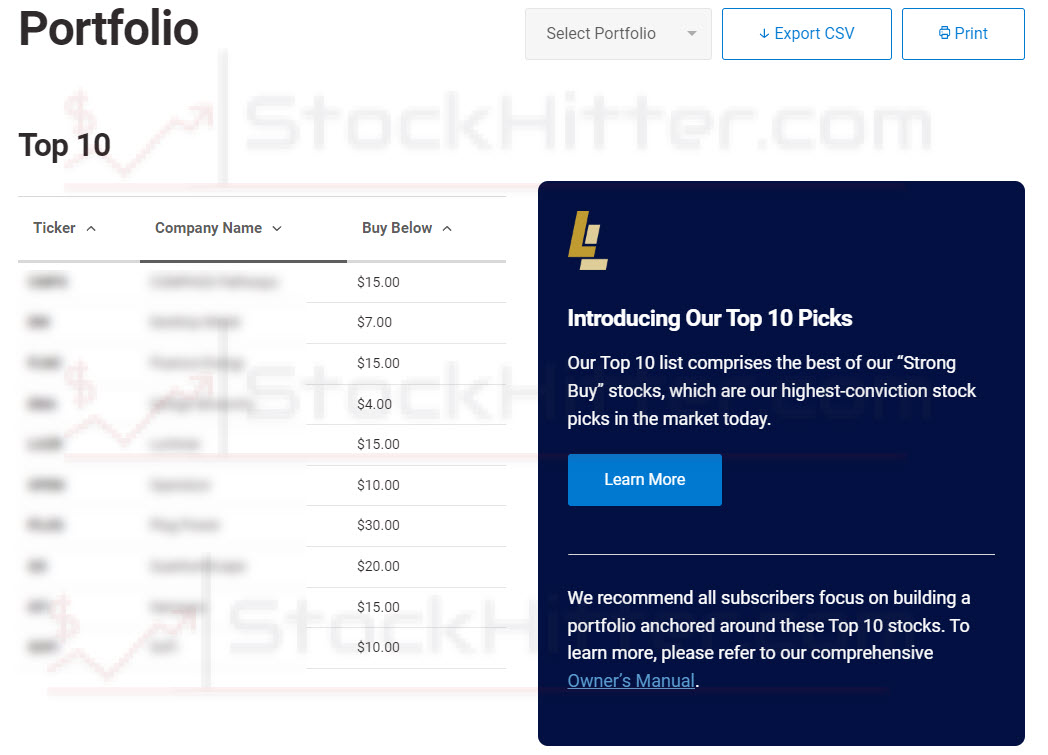
The service uses a two-portfolio structure. The Core side targets mid-risk, mid-reward stock picks in publicly traded companies with strong innovation tailwinds. The Venture Portfolio goes further out on the risk curve — early-stage companies, speculative positions, and plays where a lot can go wrong but the potential payoff is substantial. Both stock lists are visible in the members area and updated regularly with buy-below prices and portfolio notes.

Who Is Luke Lango?

Luke Lango, Innovation Investor

Luke Lango is a senior technology and markets analyst at InvestorPlace, where he has been publishing daily research since the early 2020s. He started his career at Caltech, where he was mentored by hedge fund managers before most of his classmates had declared a major.

His stock picks before joining the newsletter included some notable calls — AMD in 2015 before the stock eventually ran 13,500%, Palantir before it rose over 1,200%, Shopify before it soared, and Nvidia well before it became the most valuable AI company on the planet — and well before ChatGPT made AI infrastructure the most talked-about sector in the stock market. Luke Lango was covering these stocks years before that happened. He was ranked No. 1 out of more than 15,000 financial experts on an independent analyst ranking site in 2020, based on his stock pick accuracy and overall stock recommendation quality.

That’s the pitch. Here’s what I actually think after following his work since 2022: Lango is a genuine tech bull who does real work. His daily notes aren’t filler. He covers macro context, semiconductor supply chains, AI infrastructure buildout, energy transitions — and he does it with more depth than most investment newsletters I’ve read. He also makes calls that don’t work out, which is honest. The Venture Portfolio makes that clear.

🎓

Luke Lango — Background Worth Knowing

  • Senior technology and markets analyst, InvestorPlace
  • Founded his own investment research firm while at Caltech
  • Ranked #1 out of 15,123 analysts on an independent expert rating site (2020)
  • Notable early calls: AMD, Palantir, Nvidia, Ethereum (recommended at $9 in 2016)
  • Focuses on early-stage technology opportunities, semiconductor stocks, AI infrastructure, and emerging technologies

Is Luke Lango Legit?

Yes. His performance history is real and published, and the stock list I have access to as a member matches what he advertises — both the big winners and the real losers. He’s not hiding the bad positions. The Venture Portfolio has several underwater plays sitting right there in the table alongside the 1,000%+ gains.

No analyst bats 1.000. What I look for is whether their process is real, whether their research is substantive, and whether they’re transparent about results. Lango passes all three.

What Is InvestorPlace?

InvestorPlace is one of the larger independent investment research publishers operating today. They’ve been around for decades and put out research across dozens of services — from conservative income plays to high-risk speculative tech ideas like Innovation Investor. Luke Lango’s service sits on the more aggressive end of their lineup.

If you’ve used Motley Fool, Stansberry, or similar investment newsletters, InvestorPlace operates in the same general category. These are all research and insight-driven services that help investors find stocks and other assets with strong growth potential — not registered investment advisors. They’re a content and research company, not a registered investment advisor. That distinction matters: Lango provides his analysis and stock recommendations, but the buy/sell decision is always yours. Whether you invest $500 or $50,000, how you act on the research is entirely up to you.

What’s Included With Your Subscription

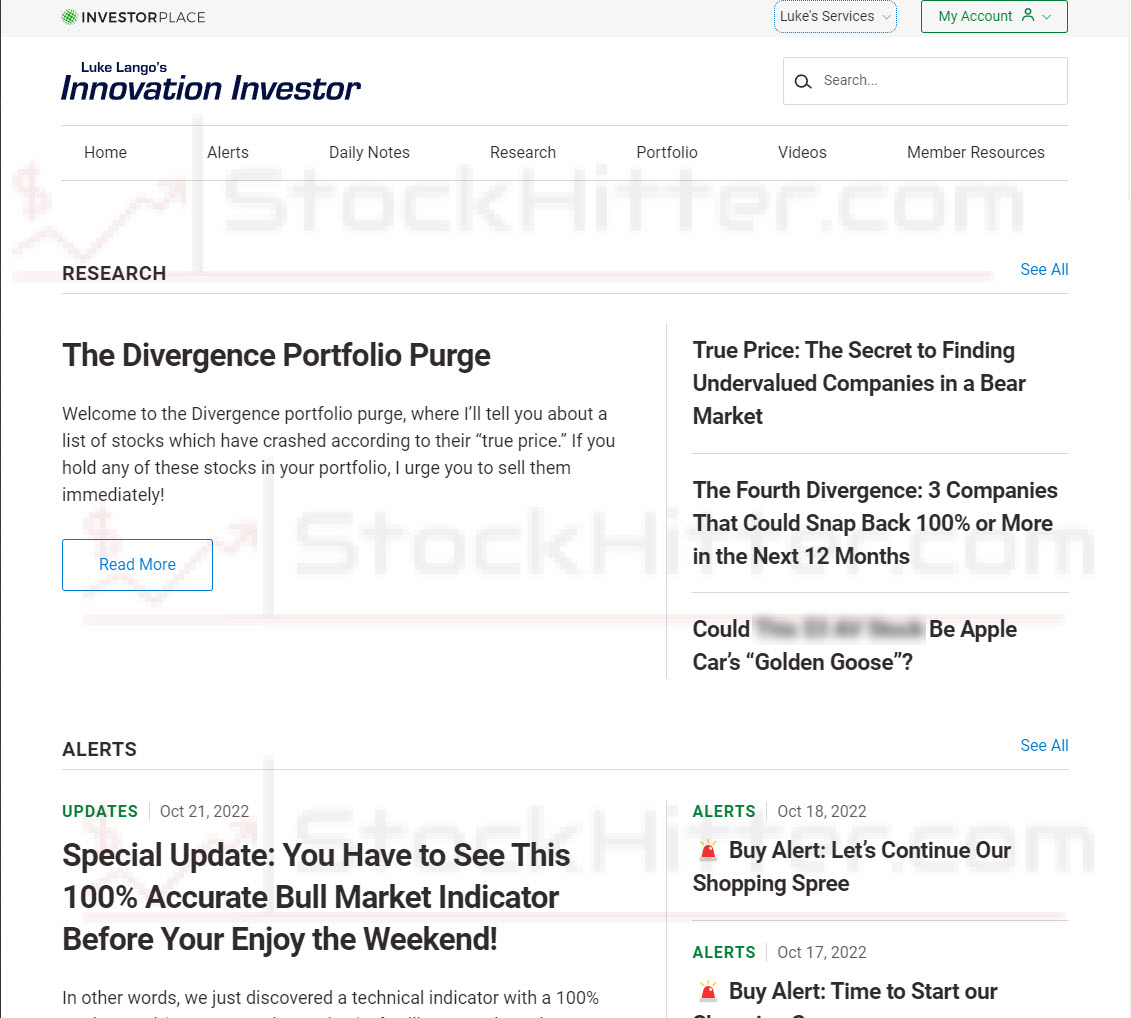
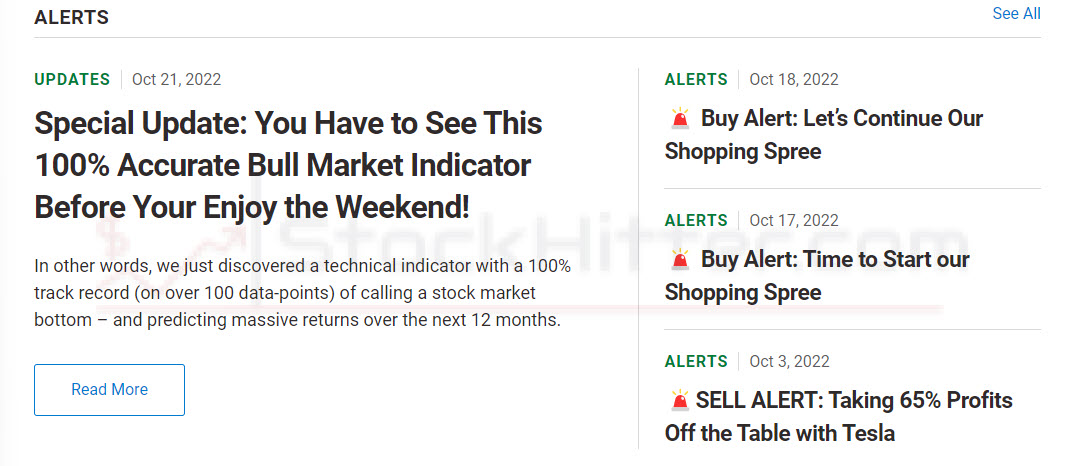
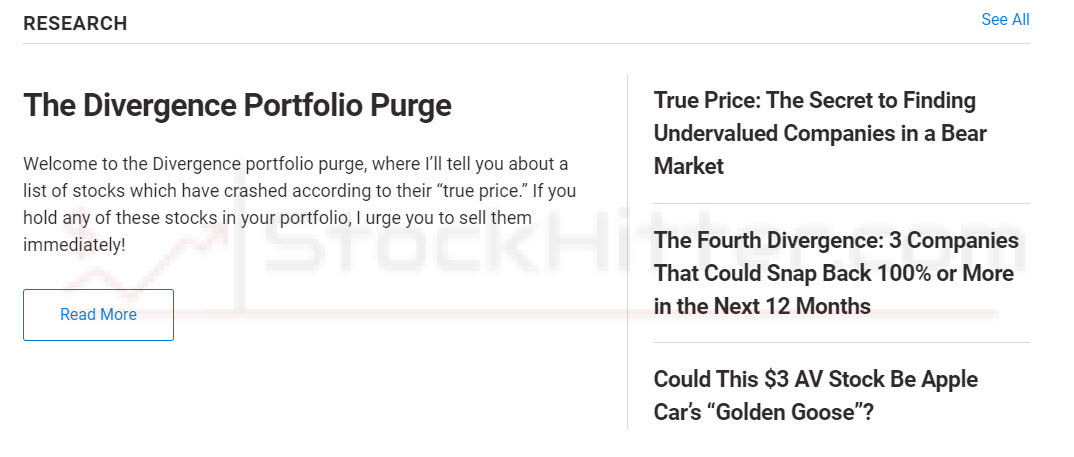
Innovation Investor Members Area Portfolio 2026

Daily Notes (Monday through Friday): This is the core of the service and what separates it from most investment newsletters. Every market day, Lango sends a new issue covering his stock picks, market analysis from technical, fundamental, and valuation perspectives, earnings updates on portfolio holdings, and anything notable happening across tech, crypto, startups, and macro. It’s actionable research, not commentary. This isn’t a summary of yesterday’s news — it’s forward-looking analysis on what he’s watching and why.

Real-Time Trade Alerts: When Lango wants subscribers to buy or sell, you get an alert fast enough to act on it. These come via email and cover entry prices, sizing guidance, and buy-below levels. I’ve found the responsiveness here genuinely useful — particularly during volatile stretches when a stock moves fast.

Full Model Portfolio Access: Both the Core and Venture stock lists are visible in the members area with tickers, buy dates, original buy prices, recent prices, current gain/loss, and buy-below levels. I’ll cover the actual numbers below.

Special Situation Video Briefings: When something moves fast, Lango records a direct-to-video briefing rather than waiting to type it up. Useful when you want his read on a breaking situation in real time.

Special Reports: New members get a set of research reports focused on the current high-conviction themes. The current batch centers on the X Money / fintech disruption story and what Lango sees as the “Bank of Elon” trade. More on what I think of that pitch in a moment.

Research Library: Back issues and archived analysis going back through the full history of the service.

Daily research, full model portfolio, real-time alerts — all for $49.

90-day money-back guarantee. Keep special reports even if you cancel.

Get Instant Access →

Innovation Investor Portfolio: What the Numbers Actually Look Like (June 2026)

This is the part most reviews skip. Here’s what’s actually in the model portfolio right now, pulled from my members area.

A note on how gains are calculated here: The total gain reflects the full life of the position — realized proceeds, the current value of shares still held, and any dividends — measured against the original cost basis. For positions where partial lots have been sold at different prices, the total return may look different from what the current price alone would suggest.

Core Portfolio: 84 Positions

The Core Portfolio is the main event. It’s currently 84 stock holdings across semiconductors, AI infrastructure, cloud, biotech, energy, materials, fintech, and consumer tech. Big names like Microsoft, Meta, Nvidia, and Amazon sit alongside smaller high-conviction picks. The range of outcomes is wide:

The big multi-year winners:

Ticker Company Buy Date Gain (Total)
ETH Ethereum Apr 2016 +21,784%
NVDA Nvidia Jan 2020 +3,599%
MU Micron Technology Jul 2024 +661%
BTC Bitcoin Nov 2019 +675%
STX Seagate Aug 2024 +571%
DELL Dell Technologies Dec 2023 +547%
META Meta Platforms Nov 2022 +534%
AVGO Broadcom May 2021 +495%
PLTR Palantir May 2021 +391%
TSM Taiwan Semiconductor Nov 2023 +358%

36 of the 84 Core positions are currently up more than 100%. That’s not cherry-picking — it’s the count from the published model portfolio as of June 2026.

Core positions currently underwater: Five positions are in the red. The biggest Core loser is PALL (abrdn Palladium ETF) at -20.87%, bought in February 2026. PPLT (Platinum ETF) is down 10.40%, SLV (iShares Silver ETF) is down 6.72%, Procore (PCOR) is down 8.10%, and Pan American Silver (PAAS) is down 7.07%. All five are relatively recent entries from early 2026. The precious metals positions in particular reflect Lango’s current macro thesis around commodities — that thesis hasn’t played out yet.

Notable recent additions (2026): Caterpillar, GE Vernova, Comfort Systems, Corning, Teradyne, Dycom Industries, Howmet Aerospace, Southern Copper, Pan American Silver — a notable shift toward infrastructure and industrial plays alongside the established tech core.

Venture Portfolio: 10 Positions

The Venture side is where the real high-risk, high-reward investing happens. It’s built for investors who understand that most speculative early-stage stock picks either don’t work or take a long time to develop. Right now the Venture picks are a 50/50 split — five winners, five losers:

Winners:

  • IonQ (IONQ): +1,059% — quantum computing play, bought Feb 2023
  • Adaptive Biotechnologies (ADPT): +201%
  • Symbotic (SYM): +202%
  • USA Rare Earth (USAR): +69%
  • Joby Aviation (JOBY): +11%

Losers:

  • OpenAI/OpenW: -71.55% (pre-IPO/indirect exposure position)
  • Recursion Pharmaceuticals (RXRX): -59%
  • NuScale Power (SMR): -43%
  • Enovix (ENVX): -36%
  • Aurora Innovation (AUR): -27%

That list is honest about what it is. You’re swinging for 10x on early stage speculative plays. Some blow up. IonQ at +1,059% is the kind of win that makes the losing positions worthwhile if you sized appropriately. But if you put heavy money into Recursion or NuScale, those positions are painful right now.

How to Think About the Venture Portfolio

Treat it as a small speculative allocation — 1-2% per stock at most. The Venture Portfolio exists for asymmetric opportunities where a small stake can turn into something significant if the thesis plays out. IonQ at +1,059% is a Venture Portfolio win. So is the -71% OpenAI position a Venture Portfolio reality. Expect both.

See the Full Innovation Investor Portfolio →

Luke Lango’s Track Record: The Real Picture

I want to give you an honest read on this rather than just repeating the headline numbers from the sales letter.

The long-term performance history is genuinely strong. Ethereum at $9 in April 2016, Nvidia in January 2020, Palantir in May 2021, Broadcom in May 2021, Meta Platforms in November 2022 at the bottom of the tech selloff — these aren’t fabricated numbers. They’re in the published model portfolio with buy dates and original prices visible to any member.

The average return across all closed recommendations since inception is listed as 102%. That’s a real number worth paying attention to — and more profitable, on average, than most investment newsletters I’ve evaluated.

The current portfolio is more mixed. The big multi-year tech positions are way up. Some of the newer 2025-2026 entries are flat or slightly positive. The five Core losers are all recent commodity and materials positions that haven’t moved yet.

What I’ve noticed after three years reading Luke Lango’s daily notes: Lango is strongest on semiconductor and AI infrastructure plays. His early calls on the AI buildout trade — Taiwan Semi, ASML, Lam Research, Applied Materials — were well-timed and well-researched. His macro calls on materials and commodities have been less consistent, and some of the recent precious metals entries haven’t moved the way the initial thesis suggested.

The comparison to competing services: Motley Fool Stock Advisor operates on a monthly recommendation cadence. Lango publishes every market day and maintains an 84-position Core portfolio. That’s a very different approach. Some investors prefer fewer, higher-conviction recommendations. Others want the broad coverage. Know which type you are before subscribing.

The Current Pitch: “Bank of Elon” and X Money

The sales presentation you’re likely watching right now is built around the publisher’s X Money / “Bank of Elon” narrative — the idea that Elon Musk is transforming X (formerly Twitter) into a full-scale financial platform, and that this will be bigger than Tesla, SpaceX, and xAI combined.

I’ll give you my honest take: the core of the thesis is real, even if the presentation leans hard on the hype. X has obtained money transmission licenses across dozens of states. There is a Visa partnership for X Money debit cards. The executive orders from the current administration do push the financial system toward electronic payment rails. Lango isn’t making that up.

The 15x-bigger-than-Tesla framing is marketing copy. But the underlying investment question — which publicly traded companies benefit from fintech disruption and the buildout of next-generation payment infrastructure — is a legitimate one. That’s what the special reports in the current offer try to answer.

Whether those specific stock picks pan out is something only time will tell. What I can tell you is that Lango’s early calls on similar “technology collides with money” themes — his PayPal recommendation, his Ethereum call — were right. His thesis process on this kind of story has a decent track record. That doesn’t mean this one works, but it’s not a random guess either.

Innovation Investor Pricing

Current promotional rate: $49/year (75% off the standard price of $199)

This is the introductory offer available through the current sales presentation. Based on how InvestorPlace structures these things, this rate is tied to this specific campaign and is likely to go up once the promotion closes.

At $49, the math is simple: one decent stock pick that works out covers multiple years of subscription cost. It costs very little to access this research relative to what an early-stage winner could return — and that invest-early thesis is exactly what this service is built around. And the research you get for that money — daily notes, full model portfolio, real-time alerts, video briefings, and the special reports — is genuinely more content than most investment newsletters deliver at twice the price.

✅

90-Day Guarantee — Enough Time to Actually Evaluate the Service

Ninety days gives you roughly three months of daily notes and multiple real-time alerts to evaluate whether Lango’s approach fits how you invest. That’s enough runway to make a real judgment. If it’s not for you, cancel within 90 days for a full refund of your subscription fee. Note: subscriptions auto-renew — set a calendar reminder before your renewal date so you stay in control of the decision.

Innovation Investor Investment Strategy: How It Works

Lango’s investment strategy is built around finding innovative companies operating in what he calls “unstoppable megatrends” — technology shifts big enough that even mediocre execution produces outsized growth. Current focus areas include:

  • AI infrastructure (semiconductors, data center buildout, cooling systems)
  • Fintech and digital payments (the X Money thesis, broader payment rails disruption)
  • Nuclear and next-generation energy (Constellation Energy, NuScale, Vistra)
  • Biotech and health AI (Recursion Pharmaceuticals, Tempus AI, Adaptive Biotechnologies)
  • Quantum computing (IonQ is the main play here)
  • Defense and aerospace technology
  • Precious metals and critical materials (newer addition to the thesis)

The Core Portfolio covers all of these themes through a mix of direct stock picks and some ETF positions for broader sector exposure. The investment advice is specific enough to act on — buy-below prices, sizing guidance, and regular updates when conditions change. The Venture Portfolio takes individual early-stage bets on the most speculative end — pre-IPO adjacent plays, small quantum companies, early biotech.

Position sizing guidance: Lango provides buy-below prices on every pick, which tells you the maximum price at which he thinks the risk/reward still makes sense. He also flags 1/3 and 1/4 entry recommendations for entries where he wants exposure but at a smaller initial allocation. That level of specificity in the portfolio notes is genuinely useful.

Pros and Cons

What Works

  • Daily note cadence is real value — you’re not waiting a month to hear what Lango thinks about a market-moving event. If something significant happens on Tuesday, there’s a note Wednesday morning with his take on what it means for the portfolio.
  • The track record on big innovation themes is strong. His early-stage technology opportunities — Nvidia, Ethereum, Palantir, Taiwan Semi — were well-timed and the research behind them was substantive.
  • Portfolio transparency. Both winners and losers are published openly. He’s not hiding the -71% OpenAI position or the three biotech positions that are underwater.
  • Real-time alerts actually arrive in time to act on them. I’ve tested this. When Lango sends a sell alert on a stock, it gets to my inbox fast enough to execute at or near the suggested price.
  • $49 is genuinely cheap for this volume of research. At this price point, even one winning position covers years of subscription cost.
  • Regular updates and market conditions analysis go well beyond just stock picks — there’s real macro and sector analysis in the daily notes that helps you understand why positions are moving.

What Doesn’t Work

  • 84 Core positions is a lot to manage. If you’re trying to actually follow every pick in this lineup, that’s an enormous amount of capital to deploy. Most subscribers will end up following a subset of the recommendations, which is fine — but the portfolio size can be overwhelming for newer investors.
  • The Venture Portfolio loses positions aren’t small misses. A -71% position and a -59% position aren’t rounding errors. If you sized those at anything meaningful, those are real losses. The high-risk, high-reward label is accurate but it’s worth internalizing what that actually means in dollar terms before you buy.
  • The daily note volume can create noise. Receiving an email every single market day is a lot. Some days the notes are deeply insightful. Some days they’re market updates that don’t require action. If you’re not a daily reader, the inbox load adds up.
  • The current InvestorPlace sales presentation is aggressive. The “Bank of Elon” framing, the “15x bigger than Tesla” language — that’s marketing hyperbole. The underlying research is more measured, but if you’re evaluating this service based purely on the sales letter you’re going to find the reality a bit more grounded than the pitch.
  • The 90-day refund window is shorter than some competitors. Other investment newsletters give you 30 days, which is genuinely not enough. 90 days is better, but you’ll want to start digging into the research early rather than waiting until day 85 to make your decision.

Still deciding? The 90-day guarantee means low risk to find out.

Keep special reports even if you request a full refund.

Join for $49 →

Is Innovation Investor Worth It?

At $49 with a 90-day refund window, yes — for the right investor. Most competing investment research services charge $99-$199 for monthly research on a fraction of the coverage Lango provides daily.

The right investor here is someone with a growth orientation, a tolerance for volatility, and a multi-year time horizon. If you’re looking for high-growth investment opportunities in AI, semiconductors, fintech, quantum computing, and disruptive technologies, this is one of the better-researched services covering those themes at this price point.

It’s the wrong service if you want a short, manageable watchlist. Eighty-four Core positions is a commitment. It’s also the wrong service if you need stability — several Venture positions are down 40-70%, and the commodities positions added in early 2026 are mostly flat or slightly negative.

What you’re paying for at $49 is access to Lango’s daily analytical work on innovation trends, his model portfolio with full transparency on entries and exits, and the ability to follow along as he works through the current fintech/AI infrastructure thesis in real time. That’s a legitimate product at a reasonable price. If you want to invest in innovation themes before they go mainstream, this is one of the more cost-effective investment newsletters for surfacing tech opportunities before the mainstream catches on.

I’ve been renewing since 2022. That’s probably the most useful thing I can tell you.

My Final Verdict

Three years following Luke Lango’s work, here’s where I actually land: the Core Portfolio’s long-term results are the headline. Thirty-six positions up over 100%, with names like Nvidia, Ethereum, Palantir, Meta, and Broadcom as anchor positions. The research process behind those picks is real and the daily notes show Lango doing substantive analytical work, not just repurposing financial news.

The Venture Portfolio is legitimately high-risk. Half the current positions are losing money. That’s by design, and if you understand that going in, it works as a small speculative allocation. If you don’t understand that going in, it’ll frustrate you.

The current “Bank of Elon” theme is a legitimate macro investment thesis dressed up in aggressive marketing copy. The underlying question — which companies benefit from fintech disruption and next-generation payment infrastructure — is worth thinking about. Whether Lango’s specific stock recommendations in that space are right is something only the next 12-24 months will tell.

At $49 with a 90-day refund window, I don’t think there’s much reason to overthink it if you’re a growth-oriented investor interested in emerging technologies.

Bottom line: For growth-oriented investors who want early-stage technology opportunities with daily research and a transparent model portfolio, Innovation Investor is worth $49. The long-term track record on AI and semiconductor plays is real. The 90-day guarantee means you can evaluate it yourself with limited downside. Go in knowing the Venture Portfolio is genuinely speculative and size your positions accordingly.

Join Innovation Investor for $49 →

Frequently Asked Questions

Is Luke Lango’s Innovation Investor legit?

Yes. Luke Lango is a senior analyst at InvestorPlace with a strong history of early calls on Nvidia, Palantir, Ethereum, and several other high-growth stocks. The portfolio is published transparently with both winners and losers visible. The service is a legitimate investment newsletter, not a scam.

What stocks does Luke Lango recommend?

Innovation Investor currently holds 84 stocks in the Core Portfolio and 10 stock picks in the Venture Portfolio. The focus is on innovative companies in AI infrastructure, semiconductors, fintech, biotech, energy, quantum computing, and emerging technologies. He does not recommend penny stocks or speculative micro-caps in the Core Portfolio — these are mostly publicly traded, mid-to-large cap companies with strong growth momentum behind them.

What is Innovation Investor’s investment strategy?

The strategy targets companies with “hyperscalable” businesses in unstoppable megatrends. Lango looks for early stage technology opportunities before the broader stock market prices in the full long-term growth potential. This is ground-floor tech investing in the truest sense — finding innovative companies before they become household names. The Core Portfolio takes a mid-risk approach with established growth companies. The Venture Portfolio takes high-risk, high-reward positions in earlier-stage companies.

How much does Innovation Investor cost?

The current promotional price is $49/year, down from the standard $199. This rate is tied to the current sales campaign. A 90-day money-back guarantee applies. Note that memberships auto-renew — set a calendar reminder so your membership renewal doesn’t catch you off guard.

How does Innovation Investor compare to Motley Fool?

Both are growth-oriented investment newsletters targeting long-term investors. The key difference is cadence and list size. Stock Advisor recommends roughly two stocks per month with a focused, manageable list. Innovation Investor sends daily notes and currently carries 84 Core portfolio positions. Lango’s service is more suited to investors who want deeper, more frequent engagement with their investment research.

What are the special reports included with Innovation Investor?

The current offer includes research reports focused on the fintech disruption thesis — specifically the companies Lango believes will benefit from the X Money buildout and broader digital payment infrastructure. You also get a special report called the VC Insider’s Millionaire Playbook, covering Lango’s approach to finding high-growth opportunities and his network of contacts in the venture capital world.

Is Innovation Investor good for beginners?

It depends. The research is substantive and the daily notes are educational — a new investor following Lango’s work will learn a lot about how to evaluate tech companies. But 84 active Core positions and a Venture Portfolio with positions down 40-70% is a lot to process if you’re just starting out. If you’re a beginner, plan to paper-trade the recommendations or follow a small subset of the Core Portfolio before committing real capital.

What is the Innovation Investor refund policy?

The publisher offers a 90-day refund on the subscription fee if you cancel within 90 days.

Does Luke Lango cover crypto?

Yes. Bitcoin and Ethereum are both in the Core Portfolio with buy dates going back to 2019 and 2016 respectively. Coinbase (COIN) and VanEck Digital Transformation ETF (DAPP) are also in the portfolio. The current fintech thesis also touches on the intersection of crypto and mainstream payment infrastructure.

Any questions about my experience with Luke Lango’s research service? Drop them in the comments.

Jenna

Ready to get started? Daily research notes, a full stock portfolio with 84 Core positions, real-time trade alerts, and a 90-day money-back guarantee — all for $49. For a research newsletter at this price, that’s strong value. I’ve been renewing since 2022. That says what it says.

Join Innovation Investor for $49 →

Affiliate Disclosure: This article contains affiliate links. If you subscribe through these links I may receive a commission at no additional cost to you. My opinions are based on active membership in Innovation Investor since 2022. Review updated June 1, 2026.


Share
Tweet
Share
Pin
0 Shares
Jenna Lofton

Jenna Lofton is the founder of StockHitter.com and a Wall Street-trained investment strategist with 15+ years of experience in stock trading, financial planning, and market analysis. She holds dual MBAs in Finance and Business Administration from the University of Maryland and built her career as a financial advisor before leaving institutional finance to build a platform that actually talks to real investors.

Her work has been featured in Forbes, Business Insider, CNET, Entrepreneur, and CreditCards.com. She writes about growth stocks, income investing, precious metals, and the financial products retail investors actually ask about, without the jargon, the hype, or the asterisks.
Jenna started investing with $1,200. The portfolio looks different now.

Post navigation

Previous Previous
Buy and Hold vs Active Trading: Which One Wins?
NextContinue
Power Gauge Report Review (May 2026): Real Member Results

Welcome!


Jenna Lofton, Founder of StockHitter.com

Jenna Lofton Featured

Jenna Lofton, a Maine native now based near New York City, is a seasoned stock trader and financial expert.

With over a decade of experience and an MBA in Finance from the University of Maryland, Jenna’s insights have been featured in Business Insider, CNET, Entrepreneur.com, Forbes, and CreditCards.com.


Related Content

  • Power Gauge Report Review (May 2026): Real Member Results
  • Tim Sykes Millionaire Challenge Review 2026: Legit?
  • Skousen Report Review: SpaceX IPO Confirmed June 12, Is There Still Time?
  • One Ticker Trader Review (Real Member) May, 2026
  • Grey Swan Investment Fraternity Review: Real Member 2026

NO INVESTMENT ADVICE

Nothing in the Site constitutes professional and/or financial advice, nor does any information on the Site constitute a comprehensive or complete statement of the matters discussed or the law relating thereto.

It is not intended to be investment advice. Seek a duly licensed professional for investment advice.

  • About Us
  • Privacy Policy
  • Blog
  • Editorial Standards
  • Home

© 2026 StockHitter.com

  • Home
  • Blog
    • Product Reviews
  • About
  • Contact